
What is an athlete actually worth?
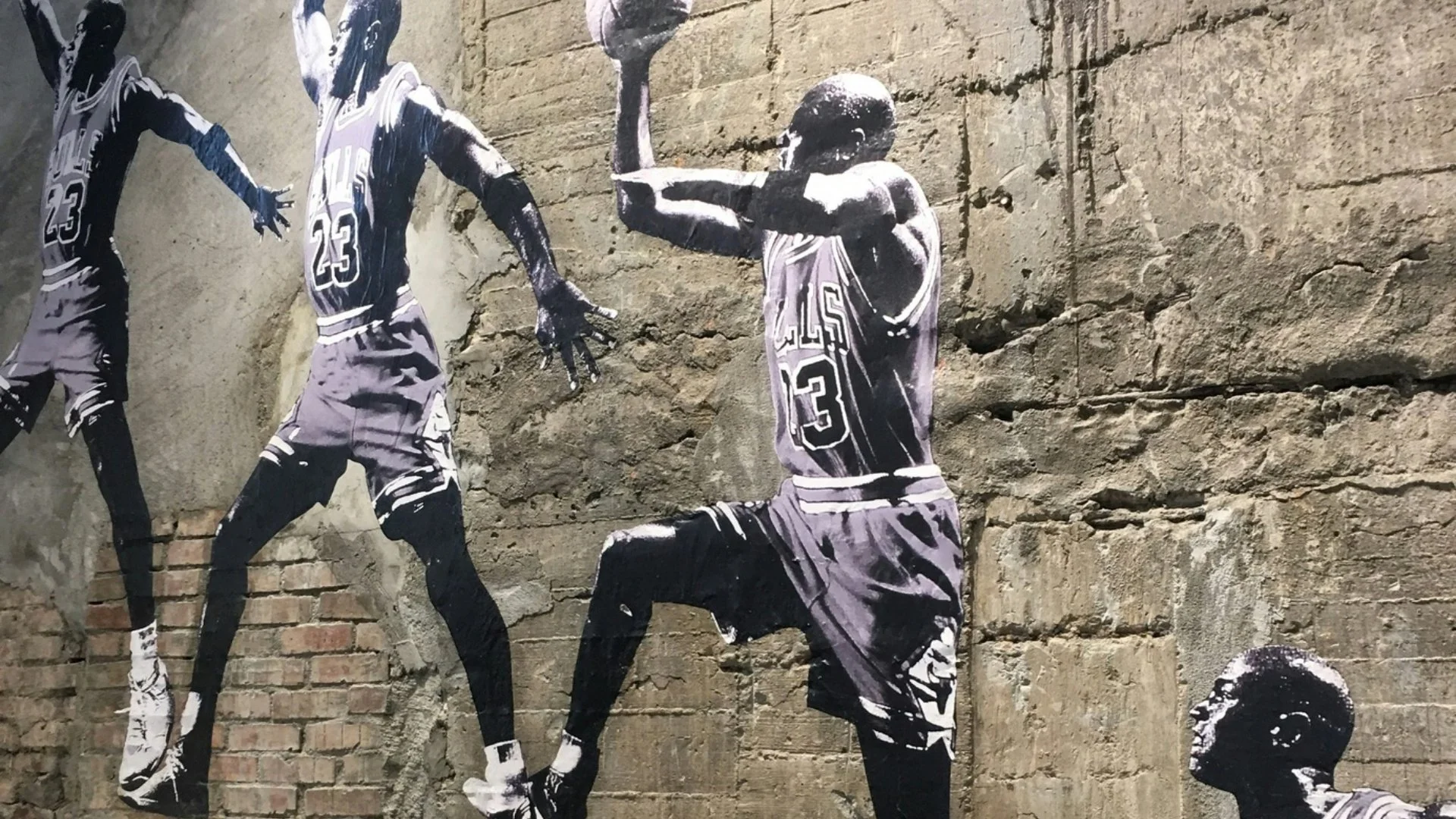
Three sports marketing eras — same question
I've served as an expert witness three times on athlete fair market value.
First, on litigation involving Michael Jordan's endorsement valuation. Then on a case brought by NHL player Tony Twist. And a few months ago, in Jaden Rashada v. Hugh Hathcock, et al., on behalf of Defendant Velocity Automotive Solutions, where I testified about whether the alleged NIL deal at hand reflected Mr. Rashada's market value.
Three eras. Same question: What is the athlete being paid for and what is their fair market value?
That question is central to Trump's most recent executive order. And it's exactly the kind of issue we take on inside the NIL Forum — with proprietary data, expert speakers, and member networking — so members stay ahead of where NIL is heading.
Why it matters
The April 3 executive order makes "fair market value" the line between legitimate NIL and fraudulent NIL. It doesn't define the term. Brand sponsorships, collective contracts, and revenue-sharing arrangements all sit inside an enforcement framework with an undefined center — and federal funding eligibility hanging on it.
My take on the EO
I don't support it overall. It has holes — definitional gaps, enforcement questions, and a federal-funding mechanism that's likely to face legal challenge before August 1. But the EO is doing one useful thing: it's forcing the NIL ecosystem to again look into "fair market value." That's a conversation we should have been having since 2021.
The framework brands have used for 100+ years...
Brand strategy. Why this athlete, for what audience, against what objective.
Activation plan. How the athlete shows up across advertising, retail, consumer events — and later, all things digital.
ROI calculation. The incremental sales, impressions, and engagement that justify the spend.
In legitimate deals, the dollar figure is the result of analysis — not the starting point.
Between the lines
Two NIL markets have run in parallel since 2021 — a legitimate one (brands buying commercial value) and an artificial one (collectives buying enrollment outcomes). The latest EO doesn't recognize both.
An artificial market is not a market.
That distinction matters because legitimate deals and collective deals have been treated as comparables for four years. Post-EO, they aren't.
The big picture
Many deals on the books today reference "comparables" pulled from inside the artificial market — collective benchmarks, not commercial ones.
Five questions every deal should answer post-EO
What is the payor's business model, and does the partnership generate revenue?
Was an activation plan developed before the dollar amount was set?
Do the deliverables have a reasonable relationship to the compensation?
Was the agreement reached through arm's-length negotiation?
Was any market analysis performed — and is it documented?
The NIL Forum
NIL Forum members are paying attention to these kinds of complicated issues. Whether the EO survives legal challenge or not, fair market value is now the standard everyone will be measured against. August 1 isn't a deadline — it's a demarcation. Every deal in market needs strategy, activation, and ROI documentation that survives review. Or it doesn't survive at all.
About Bill Carter
Bill has advised brands on Name, Image, Likeness for 25 years—first in pro sports, now at the college level. He was the Co-Founder of the Gen Z sports agency Fuse, which he sold in 2019. In 2020, he founded Student-Athlete Insights and consults on NIL strategy with Fortune 500 companies and 30+ DI universities. In 2026, he started the NIL Forum, the premier professional community for NIL, providing monthly live speakers, proprietary data, and networking.